If you are researching entry into the snack food business, one of the first questions you will encounter is: How much does a semi-automatic potato chip production line cost?
Hiểu rõ khoản đầu tư cần thiết giúp bạn lập kế hoạch tài chính, dự báo lợi nhuận và tránh bất ngờ trong quá trình mua sắm. Hướng dẫn này phân tích các mức giá hợp lý, các yếu tố ảnh hưởng đến chi phí và cách đánh giá giá trị vượt ra ngoài giá niêm yết.


Phạm vi giá dây chuyền khoai tây lát bán tự động
Based on current market data from equipment manufacturers and B2B trading platforms, a semi-automatic potato chip production line typically falls within the $8,000 to $35,000 USD range.
Phạm vi rộng này phản ánh sự khác biệt trong:
- Công suất sản xuất
- Chất lượng vật liệu
- Mức độ tự động hóa
- Vị trí nhà cung cấp
| Cấp độ thiết bị | Phạm vi giá (USD) | Công suất điển hình | Phù hợp nhất cho |
|---|---|---|---|
| Dây chuyền nhỏ gọn cấp nhập cảnh | $8,000–15,000 | 30–50 kg/h | Doanh nghiệp tại nhà, thử nghiệm thị trường |
| Dây chuyền bán tự động tiêu chuẩn | $15,000–25,000 | 50–100 kg/h | Nhà máy nhỏ, startup, thương hiệu địa phương |
| Dây chuyền bán tự động cao cấp | $25,000–35,000 | 100–150 kg/h | Các doanh nghiệp đang phát triển, sản xuất hướng xuất khẩu |
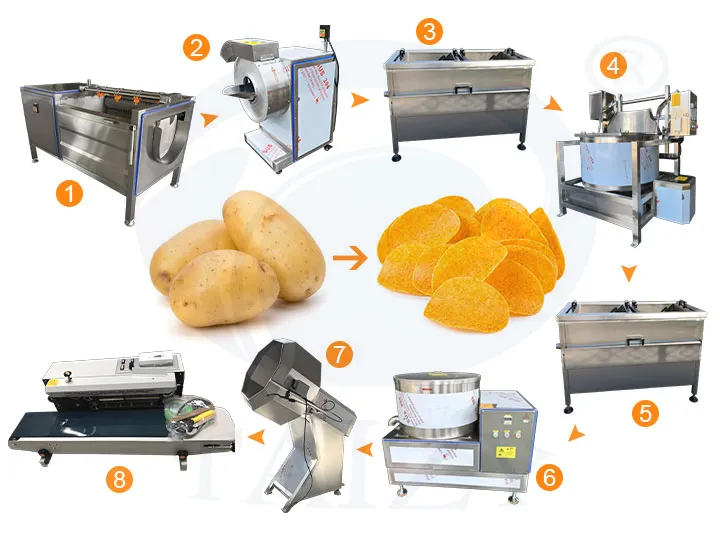
Các hệ thống cấp thấp trong phạm vi này thường bao gồm thiết bị rửa, cắt lát, chiên, và gia vị cơ bản, nhưng có thể yêu cầu nhiều sự can thiệp thủ công hơn giữa các giai đoạn.
Các dây chuyền bán tự động trung cấp cung cấp:
- Tối ưu hóa tích hợp
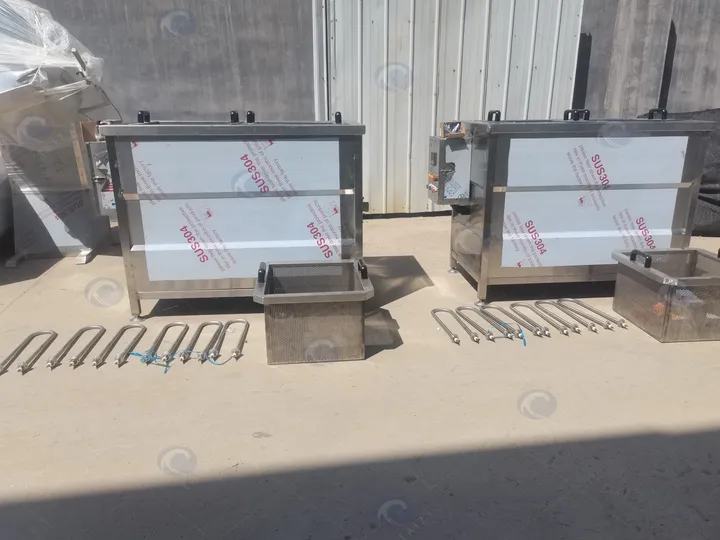
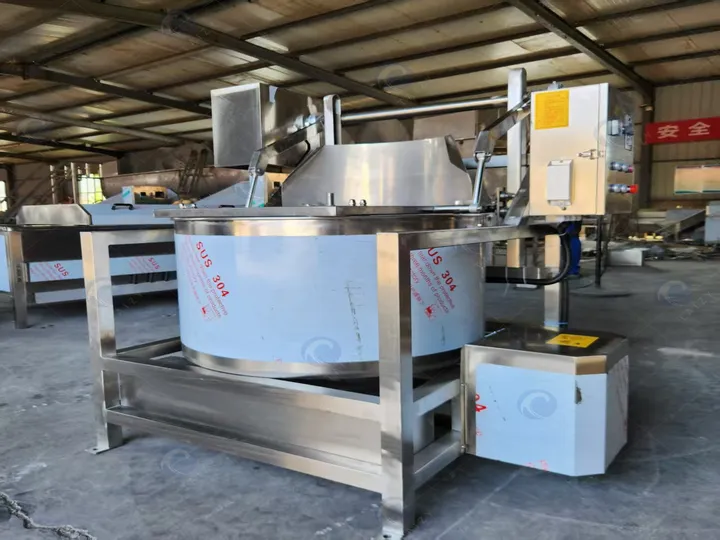
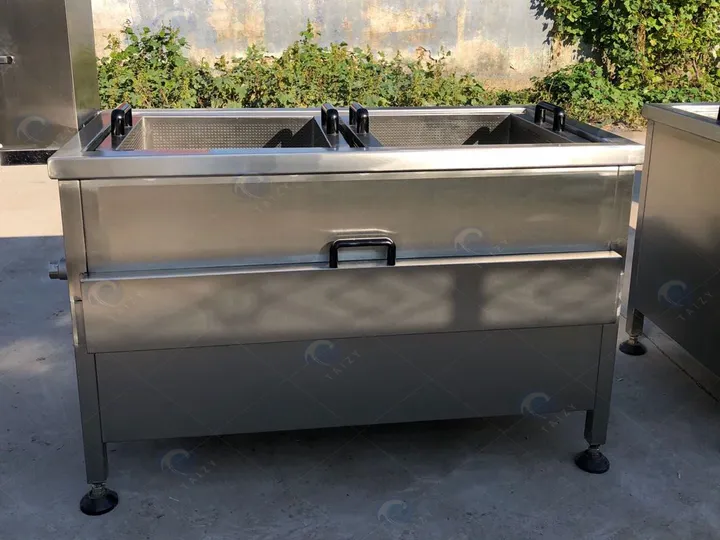
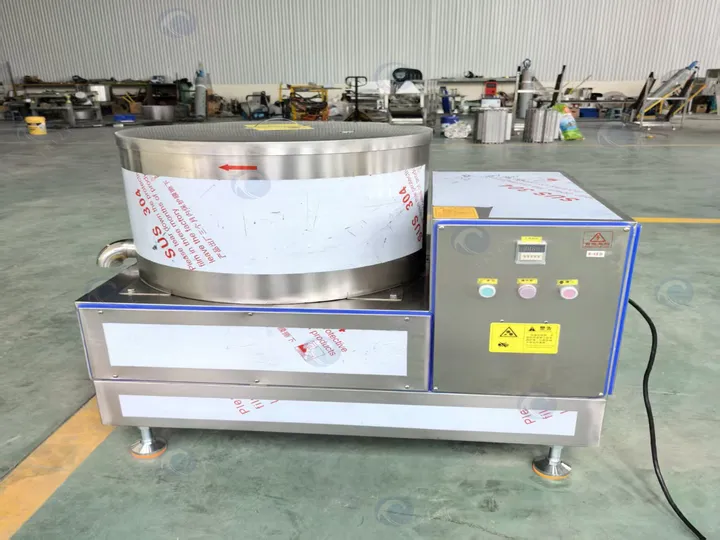
- Chất liệu thép không gỉ
- Sản lượng ổn định hơn
Cấu hình cao cấp gần bằng chi phí của các hệ thống hoàn toàn tự động trong khi vẫn giữ được sự linh hoạt và bảo trì đơn giản hơn mà hoạt động bán tự động mang lại.
Các yếu tố ảnh hưởng đến chi phí thiết bị là gì?
Một số yếu tố kỹ thuật và thương mại giải thích tại sao báo giá cho các thiết bị nghe có vẻ giống nhau có thể chênh lệch hàng nghìn đô la.
Nhu cầu về công suất và sản lượng
Yêu cầu năng suất cao hơn:
- Công suất lớn hơn
- Động cơ mạnh hơn
- Hệ thống băng chuyền rộng hơn
Một dây chuyền có công suất 150 kg/h yêu cầu nhiều vật liệu và kỹ thuật hơn đáng kể so với dây chuyền tương đương 50 kg/h, ảnh hưởng trực tiếp đến giá cả.
Chất lượng vật liệu và loại thép không gỉ
Thép không gỉ loại 304 đạt tiêu chuẩn thực phẩm có giá cao hơn so với thép carbon hoặc loại 201.
Thiết bị làm từ SUS304 mang lại:
- Chống ăn mòn vượt trội
- Vệ sinh dễ dàng hơn
- Tuổi thọ dài hơn
Những lợi ích này biện minh cho khoản đầu tư ban đầu cao hơn đối với các nhà sản xuất nghiêm túc.
Phương pháp làm nóng nào tiết kiệm hơn?
Hệ thống sưởi điện thường rẻ hơn để mua so với các lựa chọn đốt bằng gas, mặc dù chi phí vận hành có thể cao hơn tùy thuộc vào giá năng lượng địa phương.
Một số nhà cung cấp cung cấp khả năng linh hoạt hai nhiên liệu với chi phí bổ sung.
Thiết kế tích hợp so với máy độc lập
Một dây chuyền sản xuất khoai tây lát nhỏ gọn tích hợp hoàn toàn, trong đó các máy móc kết nối qua băng chuyền tự động, có giá cao hơn so với bộ đơn lẻ yêu cầu chuyển đổi thủ công giữa các giai đoạn.
Tiết kiệm lao động từ việc tích hợp thường trả lại khoản đầu tư bổ sung trong năm đầu tiên hoạt động.
Cấu hình hệ thống điều khiển
Các dây chuyền cơ bản dựa vào:
- Bộ hẹn giờ cơ khí
- Bộ hẹn giờ cơ khí
Các phiên bản nâng cấp bao gồm:
- Bộ điều khiển nhiệt độ kỹ thuật số
- Biến tần điều chỉnh tốc độ băng chuyền
- Khóa an toàn
Những bổ sung này cải thiện tính nhất quán và giảm thiểu lỗi của người vận hành.
Tại sao vị trí nhà cung cấp lại ảnh hưởng đến giá?
Các nhà sản xuất Trung Quốc thường cung cấp mức giá cạnh tranh nhất, với các nhà xuất khẩu đã thành lập cung cấp:
- Tài liệu tiếng Anh
- Hỗ trợ video
- Khả năng cung cấp phụ tùng thay thế
- Nguồn cung cấp nguyên liệu ổn định và giá cả ổn định
- Giảm chi phí nhân công
- Công nghệ sản xuất đã được thiết lập tốt
- Thời gian giao hàng ngắn hơn
Các nhà cung cấp châu Âu hoặc Bắc Mỹ có thể tính phí cao hơn 30–50% cho thiết bị tương đương, thường trích dẫn:
- Dịch vụ địa phương
- Chi phí lao động và nguyên liệu đắt hơn
Yêu cầu tùy chỉnh và đặc biệt
Các tùy chỉnh sau đây có thể làm tăng chi phí kỹ thuật và sản xuất:
- Điều chỉnh điện áp phù hợp với lưới điện địa phương
- Kích thước tùy chỉnh cho các tòa nhà hiện có
- Lưỡi cắt chuyên dụng cho kiểu khoai tây lát đặc biệt
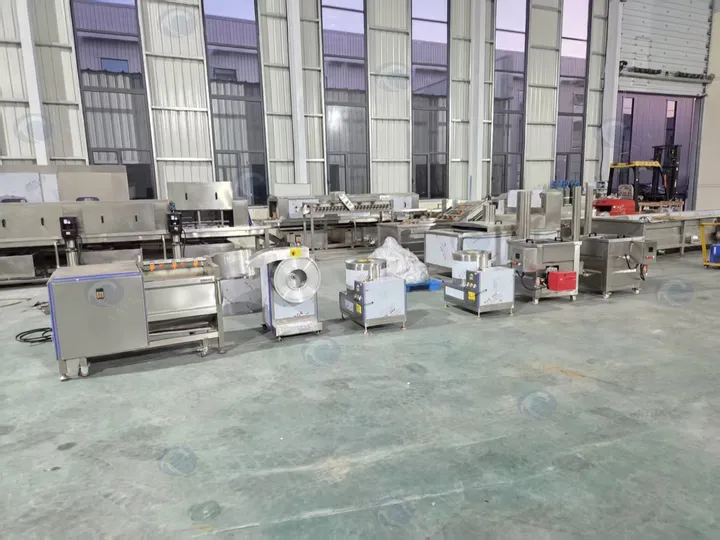
Chi phí bổ sung ngoài giá thiết bị
Khi lập ngân sách cho dây chuyền sản xuất khoai tây lát bán tự động của bạn, hãy nhớ tính đến các khoản chi phí không xuất hiện trong báo giá ban đầu.
| Khoản chi phí bổ sung | Phạm vi điển hình (USD) | Ghi chú |
|---|---|---|
| Vận chuyển và cước phí | $800–3,000 | Phụ thuộc vào cảng đích và kích thước container |
| Thuế nhập khẩu và Hải quan | 5–15% giá trị thiết bị | Thay đổi theo quốc gia và phân loại HS |
| Lắp đặt và vận hành | $500–2,000 | Có thể điều hướng từ xa hoặc tại chỗ |
| Kết nối điện và tiện ích | $300–1,500 | Hệ thống dây điện, đường nước, thông gió |
| Kho nguyên liệu ban đầu | $500–2,000 | Khoai tây, dầu, gia vị để thử nghiệm |
| Bộ phụ kiện dự phòng | $300–800 | Lưỡi dao, dây đai, bộ phận làm nóng |
These ancillary expenses can add 20–30% to your total project cost, so include them in your financial planning from the outset.
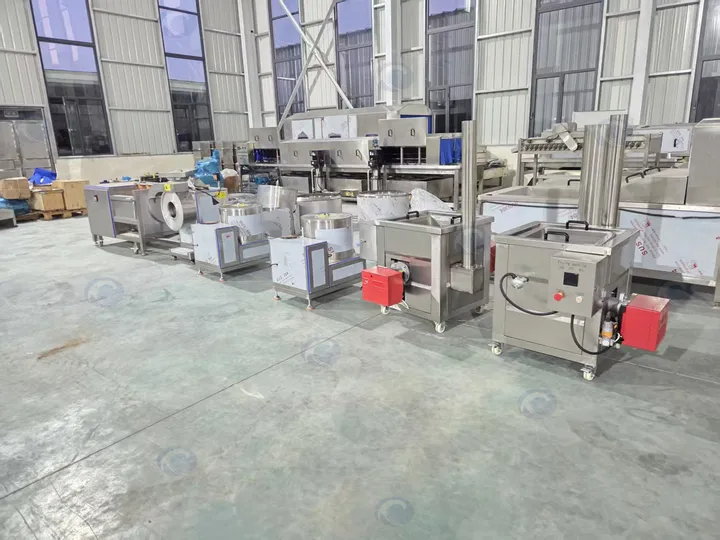
Dây chuyền bán tự động so với dây chuyền hoàn toàn tự động
Hiểu rõ vị trí của thiết bị bán tự động trong thị trường rộng hơn giúp làm rõ giá cả.
Thiết bị thủ công / thủ công mỹ nghệ — $2,000–8,000
- Máy chiên theo lô
- Máy cắt lát thủ công
- Tối thiểu tự động hóa
Phù hợp với:
- Doanh nghiệp nhỏ
- Sản phẩm đặc biệt
Dây chuyền bán tự động — $8,000–35,000
- Xử lý liên tục với sự giám sát của người vận hành ở các giai đoạn chính
- Sự cân bằng lý tưởng giữa năng suất và hiệu quả vốn cho các doanh nghiệp nhỏ đến vừa
Dây chuyền hoàn toàn tự động — $40,000–150,000
- Yêu cầu nhân công tối thiểu
- Năng suất cao (200 kg/h)
Chỉ rõ cho:
- Thương hiệu đã được thiết lập
- Các doanh nghiệp có nhu cầu thị trường đã được chứng minh
Đối với hầu hết các doanh nhân và doanh nghiệp snack đang phát triển, máy làm khoai tây lát bán tự động thể hiện điểm cân bằng—cung cấp sản lượng chuyên nghiệp mà không cần đầu tư lớn vào tự động hóa hoàn toàn.
Bạn nên đánh giá giá trị thiết bị như thế nào?
Báo giá thấp nhất hiếm khi mang lại giá trị lâu dài tốt nhất.
Khi so sánh các lựa chọn dây chuyền làm khoai tây lát bán tự động, hãy xem xét các yếu tố sau.
Bảo hành và hỗ trợ sau bán hàng
Reputable manufacturers offer 12–24 month warranties covering manufacturing defects.
Xác nhận xem bảo hành có bao gồm:
- Dịch vụ tại chỗ
- Chỉ hỗ trợ từ xa
- Yêu cầu gửi về nhà máy đối với các bộ phận nặng
Tài liệu, đào tạo, hướng dẫn kỹ thuật
Hướng dẫn sử dụng tiếng Anh, video hướng dẫn, và hỗ trợ kỹ thuật phản hồi nhanh giúp giảm:
- Thời gian khởi động
- Lỗi của người vận hành
Các nhà cung cấp đầu tư vào các nguồn lực này thể hiện cam kết với thành công của khách hàng.
Phụ kiện thay thế
Các thành phần tiêu chuẩn có sẵn từ nhiều nguồn giúp bảo vệ bạn khỏi gián đoạn chuỗi cung ứng.
Các bộ phận độc quyền chỉ nhà sản xuất gốc mới có thể cung cấp tạo ra sự dễ bị tổn thương.
Tại sao các cài đặt tham chiếu lại quan trọng?
Yêu cầu thông tin liên hệ của khách hàng hiện tại trong khu vực của bạn.
Nói chuyện với các vận hành đã sử dụng thiết bị trong sáu tháng hoặc lâu hơn để có những hiểu biết mà brochure bán hàng không thể cung cấp.
Khả năng mở rộng trong tương lai
Chọn dây chuyền nhỏ gọn theo mô-đun cho phép bạn thêm:
- Nâng cấp công suất
- Tính năng tự động hóa
Điều này tránh việc phải thay thế toàn bộ hệ thống khi doanh nghiệp của bạn phát triển.
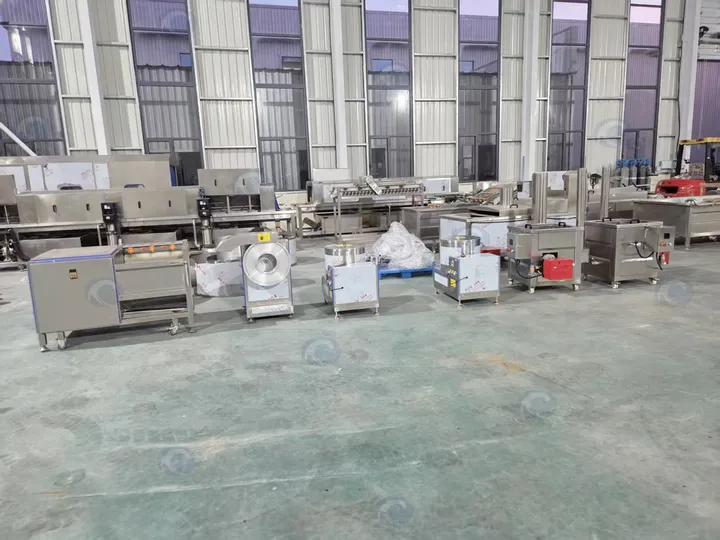
Lợi nhuận và lợi tức đầu tư
At a mid-range price point of $20,000, a semi-automatic potato chip production line processing 80 kg of finished chips per hour can generate substantial returns.
| Đơn vị đo mét | Giá trị ví dụ |
|---|---|
| Sản lượng hàng ngày (8 giờ) | 640 kg |
| Giá trị bán buôn ở mức $3/kg | $1,920 mỗi ngày |
| Doanh thu hàng tháng (25 ngày) | $48,000 |
| Biên lợi nhuận gộp (thông thường 40%) | $19,200 mỗi tháng |
Under these assumptions, the equipment investment recovers in approximately one to two months of operation, making this an attractive capital deployment for businesses with established distribution channels.
Đối với các doanh nhân không có vốn làm việc ngay lập tức, tài chính thiết bị thông qua:
- Xuất khẩu sản xuất
- Ngân hàng phát triển nông nghiệp địa phương
- Các tổ chức tài chính thương mại quốc tế
can spread the investment over 12–36 months.
Chọn mức đầu tư phù hợp
The cost of a semi-automatic potato chip production line ranges broadly from $8,000 to $35,000 USD, with most small and medium businesses finding optimal value in the $15,000–25,000 bracket.
Yêu cầu cụ thể của bạn về:
- Dung tích
- Chất lượng vật liệu
- Hỗ trợ sau bán hàng
sẽ xác định vị trí dự án của bạn trong phạm vi này.
Thay vì chỉ tập trung vào việc giảm thiểu giá mua, hãy đánh giá tổng chi phí sở hữu, bao gồm:
- Hiệu quả vận hành
- Yêu cầu bảo trì
- Độ tin cậy của nhà cung cấp
- Khả năng hỗ trợ lâu dài
Đầu tư đúng thiết bị giúp doanh nghiệp snack của bạn phát triển bền vững và sinh lợi.
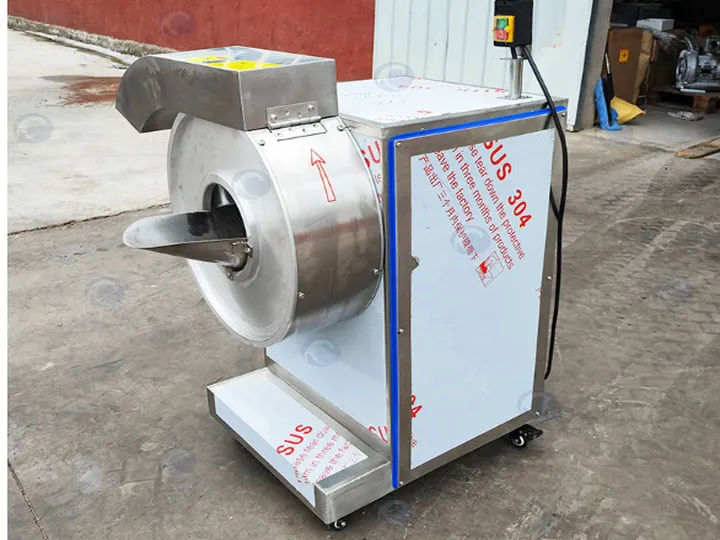
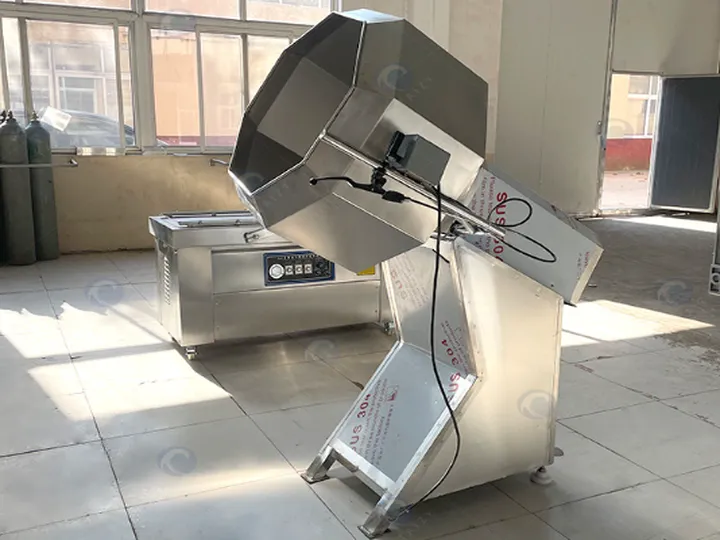
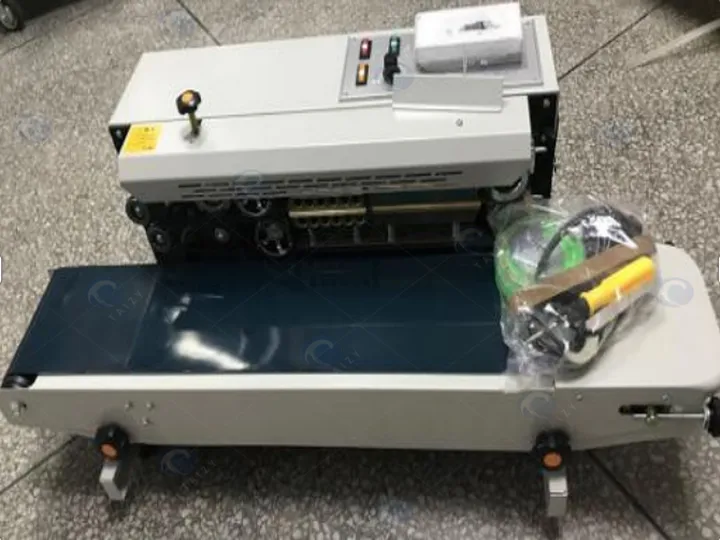
Lấy báo giá mới nhất
Nếu bạn đang xem xét mua dây chuyền bán tự động, nên yêu cầu nhà cung cấp cung cấp báo giá mới nhất kịp thời. Giá thiết bị có thể dao động do thay đổi trong giá nguyên liệu quốc tế cũng như nâng cấp công nghệ của nhà sản xuất, vì vậy việc cập nhật thông tin là rất cần thiết.
Bạn cũng có thể liên hệ với tác giả của bài viết này — Taizy Machinery — để lấy báo giá mới nhất và đề xuất giải pháp. Taizy Machinery cung cấp cả dây chuyền bán tự động và hoàn toàn tự động, có thể tùy chỉnh theo yêu cầu sản xuất của bạn. Dù là bố trí nhà máy hay lập kế hoạch sản xuất, Taizy đều cung cấp giải pháp trọn gói cùng dịch vụ hậu mãi nhanh chóng.