If you are researching entry into the snack food business, one of the first questions you will encounter is: How much does a semi-automatic potato chip production line cost?
आवश्यक निवेश को समझना आपको वित्तपोषण की योजना बनाने, लाभ की भविष्यवाणी करने, और अधिग्रहण के दौरान आश्चर्य से बचने में मदद करता है। यह गाइड यथार्थवादी मूल्य निर्धारण स्तरों, लागत को प्रभावित करने वाले कारकों, और स्टिकर मूल्य से परे मूल्यांकन करने के तरीके को तोड़ता है।
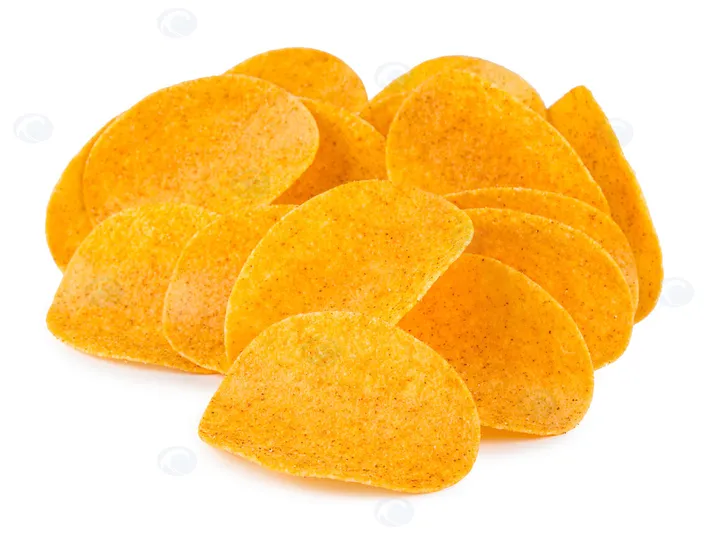

सेमी-ऑटोमैटिक आलू चिप उत्पादन लाइन मूल्य रेंज
Based on current market data from equipment manufacturers and B2B trading platforms, a semi-automatic potato chip production line typically falls within the $8,000 to $35,000 USD range.
यह व्यापक स्पेक्ट्रम में भिन्नताएँ दर्शाता है:
- उत्पादन क्षमता
- सामग्री की गुणवत्ता
- स्वचालन की डिग्री
- आपूर्तिकर्ता भूगोल
| उपकरण स्तर | कीमत रेंज (USD) | विशिष्ट क्षमता | के लिए सबसे उपयुक्त |
|---|---|---|---|
| प्रवेश स्तर की कॉम्पैक्ट लाइन | $8,000–15,000 | 30–50 किलोग्राम/घंटा | घर-आधारित व्यवसाय, बाजार परीक्षण |
| मानक सेमी-ऑटोमैटिक लाइन | $15,000–25,000 | 50–100 किलोग्राम/घंटा | छोटी फैक्ट्रियाँ, स्टार्टअप, स्थानीय ब्रांड्स |
| उन्नत सेमी-ऑटोमैटिक लाइन | $25,000–35,000 | 100–150 किलोग्राम/घंटा | विकासशील व्यवसाय, निर्यात-उन्मुख उत्पादन |
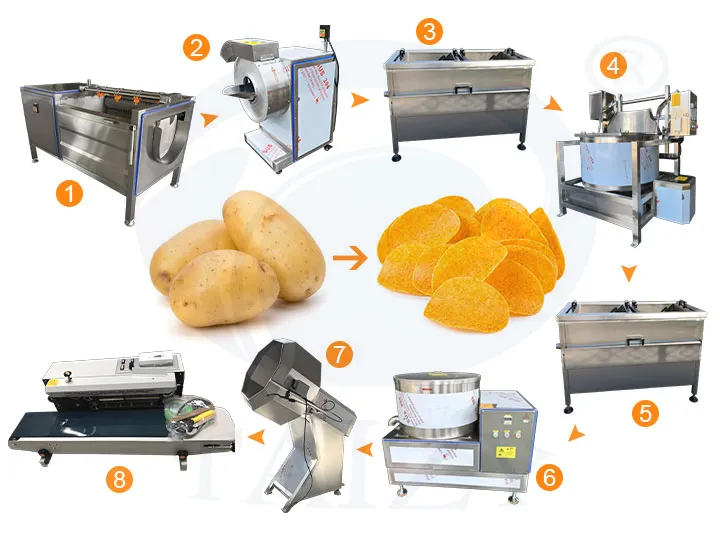
इस रेंज के निचले सिरे पर प्रवेश स्तर की प्रणालियाँ अक्सर बुनियादी धोने, काटने, तलने और मसाले लगाने वाले उपकरणों को शामिल करती हैं, लेकिन चरणों के बीच अधिक मैनुअल हस्तक्षेप की आवश्यकता हो सकती है।
मध्यम रेंज की सेमी-ऑटोमैटिक आलू चिप प्रसंस्करण लाइनों में शामिल हैं:
- बेहतर एकीकरण
- स्टेनलेस स्टील निर्माण
- अधिक स्थिर आउटपुट
प्रीमियम कॉन्फ़िगरेशन पूरी तरह से स्वचालित प्रणालियों की लागत के करीब पहुँचते हैं जबकि सेमी-ऑटोमैटिक संचालन जो लचीलापन और सरल रखरखाव प्रदान करता है।
उपकरण लागत को प्रभावित करने वाले कारक क्या हैं?
कई तकनीकी और व्यावसायिक कारक बताते हैं कि समान ध्वनि वाले उपकरणों के लिए उद्धरण हजारों डॉलर में भिन्न हो सकते हैं।
उत्पादन क्षमता और आउटपुट आवश्यकताएँ
उच्च थ्रूपुट की मांगें:
- बड़ी क्षमता
- अधिक शक्तिशाली मोटर्स
- चौड़े कन्वेयर सिस्टम
150 किलोग्राम/घंटा के लिए रेटेड एक लाइन को 50 किलोग्राम/घंटा समकक्ष की तुलना में काफी अधिक सामग्री और इंजीनियरिंग की आवश्यकता होती है, जो सीधे कीमत को प्रभावित करता है।
सामग्री की गुणवत्ता और स्टेनलेस स्टील ग्रेड
फूड-ग्रेड 304 स्टेनलेस स्टील कार्बन स्टील या 201-ग्रेड विकल्पों की तुलना में प्रीमियम मांगता है।
SUS304 से पूरी तरह से निर्मित उपकरण प्रदान करता है:
- उत्कृष्ट जंग प्रतिरोध
- सफाई में आसानी
- लंबी सेवा जीवन
ये लाभ गंभीर उत्पादकों के लिए उच्च प्रारंभिक निवेश को सही ठहराते हैं।
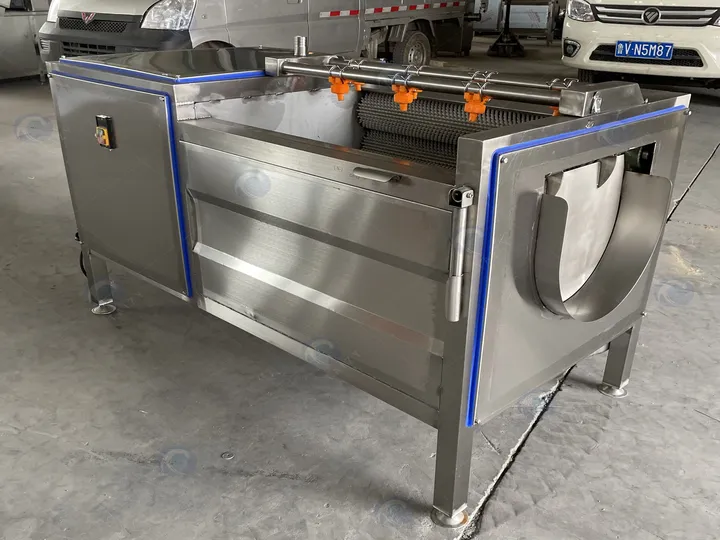
कौन सा हीटिंग विधि अधिक आर्थिक है?
इलेक्ट्रिक हीटिंग सिस्टम आमतौर पर गैस-फायर विकल्पों की तुलना में खरीदने के लिए कम महंगे होते हैं, हालांकि संचालन लागत स्थानीय ऊर्जा कीमतों के आधार पर अधिक हो सकती है।
कुछ आपूर्तिकर्ता अतिरिक्त लागत पर डुअल-फ्यूल लचीलापन प्रदान करते हैं।
एकीकृत डिज़ाइन बनाम स्वतंत्र मशीनें
एक पूरी तरह से एकीकृत छोटे पैमाने पर आलू चिप प्रसंस्करण लाइन, जहाँ मशीनें स्वचालित कन्वेयर के माध्यम से जुड़ती हैं, एक संग्रह की तुलना में अधिक महंगी होती है।
एकीकरण से श्रम की बचत अक्सर पहले वर्ष के संचालन के भीतर अतिरिक्त निवेश को चुकता कर देती है।
नियंत्रण प्रणाली कॉन्फ़िगरेशन
बुनियादी लाइनें इस पर निर्भर करती हैं:
- हाथ से तापमान नॉब्स
- यांत्रिक टाइमर
अपग्रेडेड संस्करणों में शामिल हैं:
- डिजिटल तापमान नियंत्रक
- कन्वेयर गति के लिए परिवर्तनशील आवृत्ति ड्राइव
- सुरक्षा इंटरलॉक्स
ये अतिरिक्त स्थिरता में सुधार करते हैं और ऑपरेटर की त्रुटियों को कम करते हैं।
आपूर्तिकर्ता स्थान मूल्य निर्धारण को क्यों प्रभावित करता है?
चीनी निर्माता आमतौर पर सबसे प्रतिस्पर्धी मूल्य प्रदान करते हैं, जबकि स्थापित निर्यातक प्रदान करते हैं:
- अंग्रेजी दस्तावेज़ीकरण
- वीडियो समर्थन
- स्पेयर पार्ट्स की उपलब्धता
- स्थिर कच्चे माल की आपूर्ति और मूल्य स्थिरता
- कम श्रम लागत
- अच्छी तरह से स्थापित निर्माण प्रौद्योगिकी
- छोटी डिलीवरी समय
यूरोपीय या उत्तरी अमेरिकी आपूर्तिकर्ता तुलनीय उपकरण के लिए 30–50% अधिक चार्ज कर सकते हैं, अक्सर यह कहते हुए:
- स्थानीय सेवा
- महंगे श्रम और कच्चे माल की लागत
कस्टमाइजेशन और विशेष आवश्यकताएँ
निम्नलिखित अनुकूलन इंजीनियरिंग और उत्पादन लागत को बढ़ा सकते हैं:
- स्थानीय विद्युत ग्रिड के लिए वोल्टेज अनुकूलन
- मौजूदा भवनों के लिए कस्टम आयाम
- विशिष्ट चिप शैलियों के लिए विशेष कटिंग ब्लेड
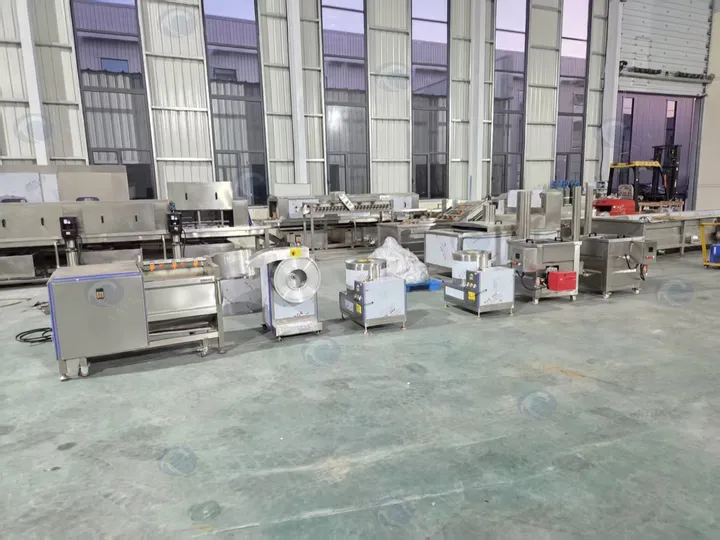
उपकरण मूल्य के अलावा अतिरिक्त लागत
जब आप अपनी सेमी-ऑटोमैटिक आलू चिप उत्पादन लाइन के लिए बजट बना रहे हैं, तो याद रखें कि उन खर्चों को ध्यान में रखें जो प्रारंभिक उद्धरण पर नहीं दिखाई देते।
| अतिरिक्त लागत आइटम | विशिष्ट रेंज (USD) | नोट्स |
|---|---|---|
| शिपिंग और फ्रेट | $800–3,000 | गंतव्य बंदरगाह और कंटेनर के आकार पर निर्भर करता है |
| आयात शुल्क और कस्टम्स | उपकरण मूल्य का 5–15% | देश और HS वर्गीकरण के अनुसार भिन्न होता है |
| स्थापना और कमीशनिंग | $500–2,000 | यह दूरस्थ रूप से मार्गदर्शित या स्थल पर हो सकता है |
| इलेक्ट्रिकल और उपयोगिता कनेक्शन | $300–1,500 | वायरिंग, पानी की लाइनें, वेंटिलेशन |
| प्रारंभिक कच्चे माल का इन्वेंटरी | $500–2,000 | आलू, तेल, परीक्षण के लिए मसाले |
| स्पेयर पार्ट्स किट | $300–800 | ब्लेड, बेल्ट, हीटिंग तत्व |
These ancillary expenses can add 20–30% to your total project cost, so include them in your financial planning from the outset.
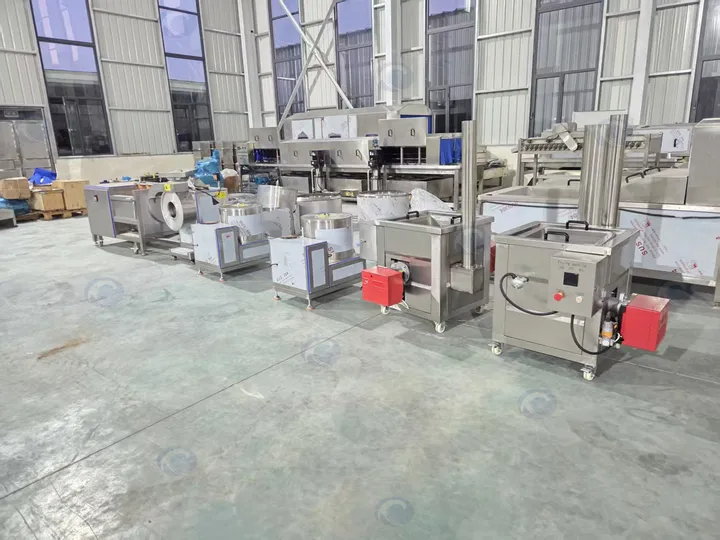
सेमी-ऑटोमैटिक बनाम पूरी तरह से स्वचालित आलू चिप लाइनें
सेमी-ऑटोमैटिक उपकरण बाजार में कहाँ बैठता है, यह समझना मूल्य निर्धारण को संदर्भित करने में मदद करता है।
हाथ से संचालित / कारीगर उपकरण — $2,000–8,000
- बैच फ्रायर्स
- हाथ से चलने वाले स्लाइसर्स
- न्यूनतम स्वचालन
के लिए उपयुक्त:
- सूक्ष्म व्यवसाय
- विशेष उत्पाद
सेमी-ऑटोमैटिक उत्पादन लाइनें — $8,000–35,000
- प्रमुख चरणों पर ऑपरेटर की निगरानी के साथ निरंतर प्रसंस्करण
- छोटे से मध्यम उद्यमों के लिए उत्पादकता और पूंजी दक्षता का आदर्श संतुलन
पूर्ण स्वचालित लाइनें — $40,000–150,000
- न्यूनतम श्रम आवश्यकताएँ
- उच्च थ्रूपुट (200 किलोग्राम/घंटा)
इसके लिए उचित ठहराया गया:
- स्थापित ब्रांड्स
- सिद्ध बाजार मांग वाले व्यवसाय
अधिकांश उद्यमियों और विकासशील स्नैक व्यवसायों के लिए, सेमी-ऑटोमैटिक आलू चिप बनाने की मशीन मीठा स्थान प्रस्तुत करती है—पेशेवर-ग्रेड आउटपुट प्रदान करती है बिना पूर्ण स्वचालन की पूंजी तीव्रता के।
आपको उपकरण मूल्य का मूल्यांकन कैसे करना चाहिए?
सबसे कम उद्धरण अक्सर सबसे अच्छे दीर्घकालिक मूल्य को नहीं देता।
सेमी-ऑटोमैटिक आलू चिप प्रसंस्करण लाइन विकल्पों की तुलना करते समय, निम्नलिखित कारकों पर विचार करें।
वारंटी और बिक्री के बाद समर्थन
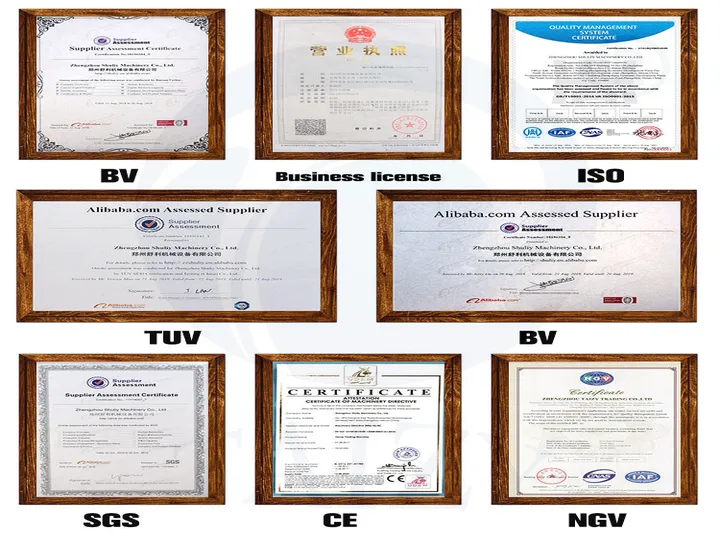
Reputable manufacturers offer 12–24 month warranties covering manufacturing defects.
जांचें कि क्या वारंटी में शामिल है:
- स्थल पर सेवा
- केवल दूरस्थ समर्थन
- भारी घटकों के लिए फैक्ट्री में लौटने की आवश्यकताएँ
दस्तावेज़ीकरण, प्रशिक्षण, और तकनीकी मार्गदर्शन
अंग्रेजी संचालन मैनुअल, वीडियो ट्यूटोरियल, और प्रतिक्रियाशील तकनीकी समर्थन को कम करते हैं:
- स्टार्टअप समय
- ऑपरेटर की गलतियाँ
जो आपूर्तिकर्ता इन संसाधनों में निवेश करते हैं, वे ग्राहक की सफलता के प्रति प्रतिबद्धता प्रदर्शित करते हैं।
स्पेयर पार्ट्स की उपलब्धता
मानकीकृत घटक जो कई स्रोतों से उपलब्ध हैं, आपको आपूर्ति श्रृंखला में व्यवधानों से बचाते हैं।
विशिष्ट भाग जो केवल मूल निर्माता प्रदान कर सकता है, संवेदनशीलता पैदा करते हैं।
संदर्भ स्थापना क्यों महत्वपूर्ण हैं?
अपने क्षेत्र में मौजूदा ग्राहकों के लिए संपर्क जानकारी का अनुरोध करें।
उन ऑपरेटरों से बात करना जिन्होंने छह महीने या उससे अधिक समय तक उपकरण चलाया है, ऐसे अंतर्दृष्टि प्रदान करता है जो कोई बिक्री ब्रोशर नहीं दे सकता।
भविष्य में विस्तार की क्षमता
एक मॉड्यूलर छोटे पैमाने पर आलू चिप प्रसंस्करण लाइन चुनें जो आपको जोड़ने की अनुमति देती है:
- क्षमता उन्नयन
- स्वचालन सुविधाएँ
यह आपके व्यवसाय के बढ़ने पर पूरे सिस्टम के महंगे प्रतिस्थापन से बचाता है।
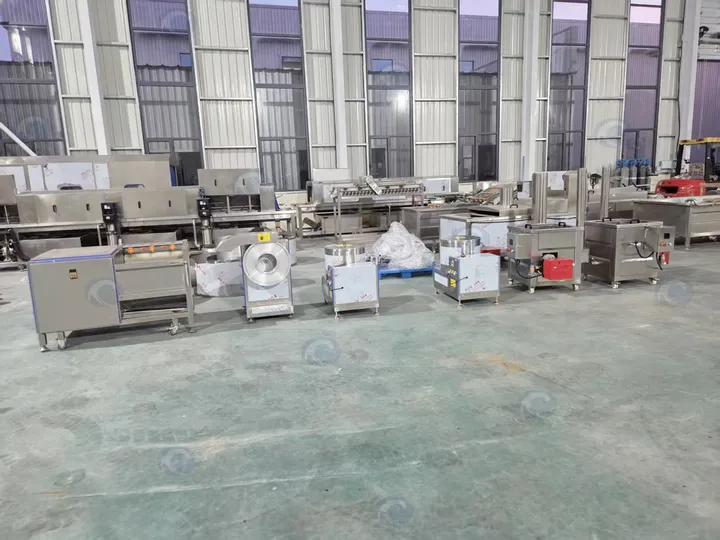
लाभप्रदता और निवेश पर वापसी
At a mid-range price point of $20,000, a semi-automatic potato chip production line processing 80 kg of finished chips per hour can generate substantial returns.
| मैट्रिक | उदाहरण मूल्य |
|---|---|
| दैनिक आउटपुट (8 घंटे) | 640 किलोग्राम |
| थोक मूल्य $3/किलोग्राम | $1,920 प्रति दिन |
| मासिक राजस्व (25 दिन) | $48,000 |
| सकल मार्जिन (विशिष्ट 40%) | $19,200 प्रति माह |
Under these assumptions, the equipment investment recovers in approximately one to two months of operation, making this an attractive capital deployment for businesses with established distribution channels.
उन उद्यमियों के लिए जिनके पास तत्काल कार्यशील पूंजी नहीं है, उपकरण वित्तपोषण के माध्यम से:
- निर्माण निर्यातक
- स्थानीय कृषि विकास बैंक
- अंतर्राष्ट्रीय व्यापार वित्त संस्थान
can spread the investment over 12–36 months.
सही निवेश रेंज का चयन करना
The cost of a semi-automatic potato chip production line ranges broadly from $8,000 to $35,000 USD, with most small and medium businesses finding optimal value in the $15,000–25,000 bracket.
आपकी विशिष्ट आवश्यकताएँ:
- क्षमता
- सामग्री की गुणवत्ता
- बिक्री के बाद समर्थन
यह निर्धारित करेगा कि आपका प्रोजेक्ट इस रेंज के भीतर कहाँ आता है।
खरीद मूल्य को न्यूनतम करने पर ध्यान केंद्रित करने के बजाय, स्वामित्व की कुल लागत का मूल्यांकन करें, जिसमें शामिल हैं:
- संचालन दक्षता
- रखरखाव की आवश्यकताएँ
- आपूर्तिकर्ता की विश्वसनीयता
- दीर्घकालिक समर्थन क्षमता
सही उपकरण निवेश आपके स्नैक व्यवसाय को स्थायी विकास और लाभप्रदता के लिए तैयार करता है।
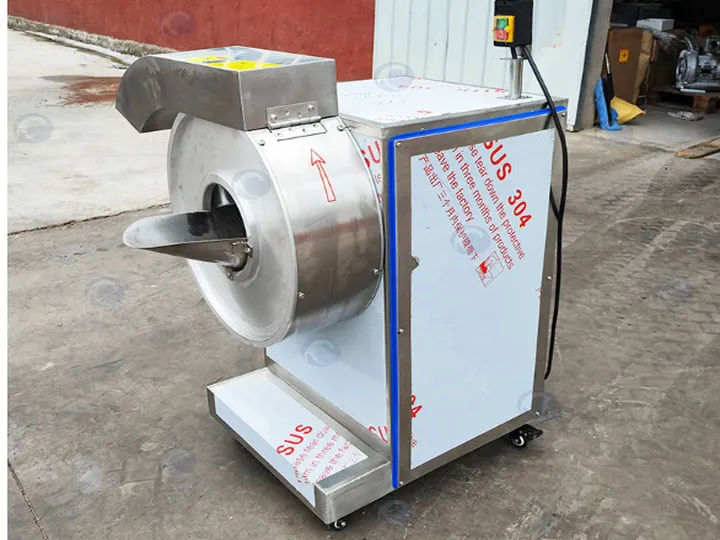
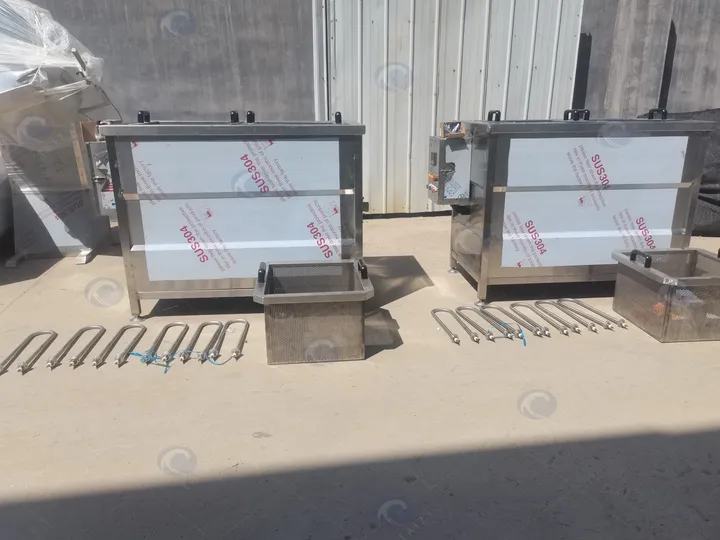
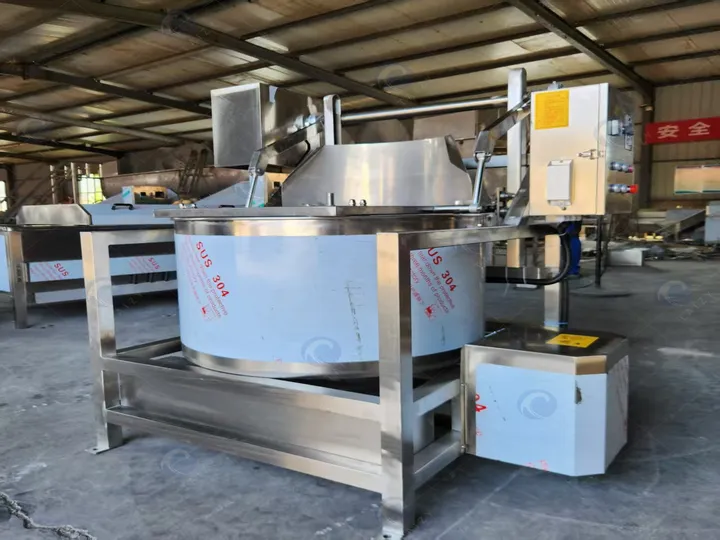
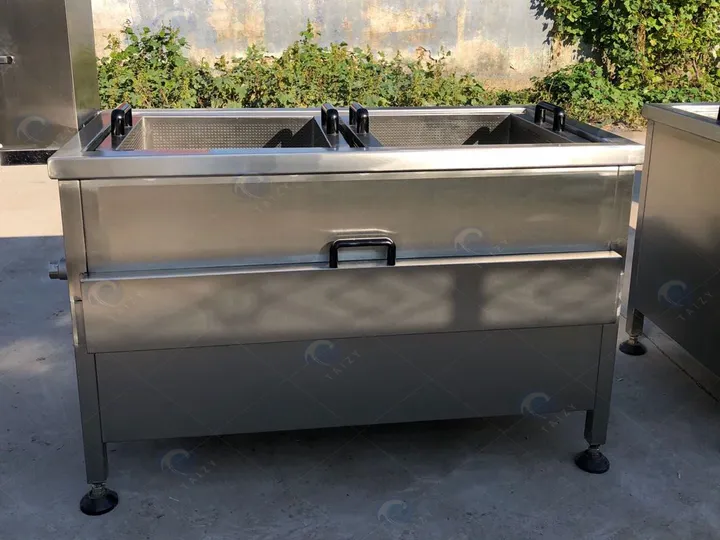
नवीनतम उद्धरण प्राप्त करें
यदि आप सेमी-ऑटोमैटिक उत्पादन लाइन खरीदने पर विचार कर रहे हैं, तो समय पर आपूर्तिकर्ता से नवीनतम उद्धरण मांगने की सिफारिश की जाती है। उपकरण की कीमतें अंतरराष्ट्रीय कच्चे माल की लागत में बदलाव और निर्माताओं की प्रौद्योगिकी उन्नयन के कारण उतार-चढ़ाव कर सकती हैं, इसलिए अद्यतन जानकारी रखना आवश्यक है।
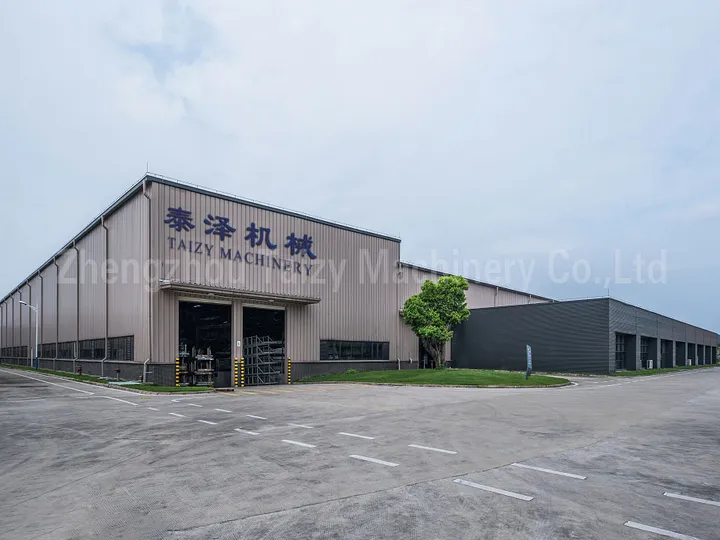
आप इस लेख के लेखक — Taizy Machinery — से नवीनतम उद्धरण और समाधान प्रस्ताव प्राप्त करने के लिए भी संपर्क कर सकते हैं। Taizy Machinery सेमी-ऑटोमैटिक और पूरी तरह से स्वचालित आलू चिप उत्पादन लाइनों दोनों की पेशकश करता है और आपके उत्पादन आवश्यकताओं के अनुसार अनुकूलित समाधान प्रदान कर सकता है। चाहे वह फैक्ट्री लेआउट हो या उत्पादन योजना, Taizy एक-स्टॉप समाधान के साथ त्वरित बिक्री के बाद समर्थन प्रदान करता है।